Features · Living in Sweden · Published 28 July 2026
Paid holiday starts later for new Swedish employees

DailySweden
Updated 05:09 · 2 min read
Listen to this articleNarrated - 9:12
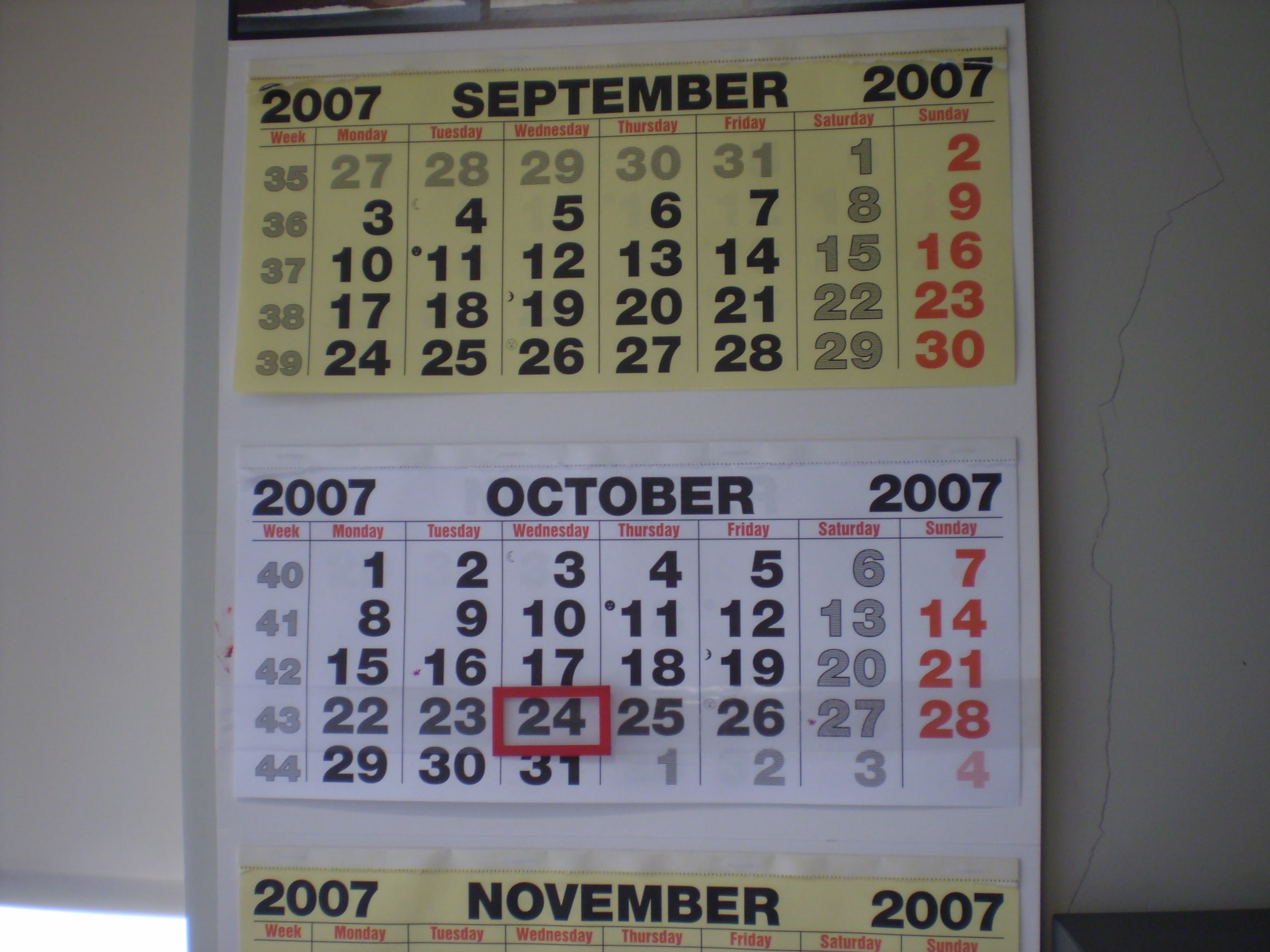
A Swedish contract promising 25 vacation days can sound like a solved summer plan for someone who has just moved jobs. The harder question is what happens to salary when those days arrive before the employee has built up enough paid leave.
The current Annual Leave Act gives employees 25 annual-leave days in each holiday year. It also separates leave from holiday pay: salary during leave is paid only for days earned under the law's calculation. The default holiday year runs from 1 April to 31 March, and the qualifying year is the same period immediately before it.
Verksamt, Sweden's official business portal, says paid days are calculated from employment days during the qualifying year, minus absence not credited for holiday pay. The result is divided by 365, or 366 in a leap year, multiplied by the person's annual-leave entitlement and rounded up.
That makes the start date practical. A person who starts on 1 September 2026 has only five unpaid annual-leave days left in the holiday year ending 31 March 2027. If the same person stays employed through 31 March with no uncredited absence and a 25-day entitlement, the next holiday year would start with 15 paid days: 212 employment days divided by 365, multiplied by 25, rounded up.
Advance holiday changes the cash flow, not the underlying risk. Verksamt says agreements can be made about advance holidays, while the law says advance holiday pay may be deducted from final holiday compensation if employment ends within five years. The five-year deduction does not apply in several situations, including illness or employer termination not tied personally to the employee.
Arbetsgivarverket says Swedish employers must normally plan the main summer holiday by the end of March and give at least two months' notice if they place leave against the employee's wishes. For a new international hire, the useful question for HR is therefore not only how many vacation days exist. It is how many are paid, which year earned them, whether advance holiday creates a repayment risk, and what happens if the job ends before the next summer.
DailySweden
DailySweden's desk of editors, reporters, researchers and investigative journalists. We bring readers factual, truthful and objective reporting on the issues that matter to them.
Contact the editorial desk ›