Opinion · DailySweden view · Published 28 July 2026
Dear Sweden: You buy the drugs. You employ the drug dealers.

DailySweden
Updated 19:36 · 4 min read
Listen to this articleNarrated - 9:12
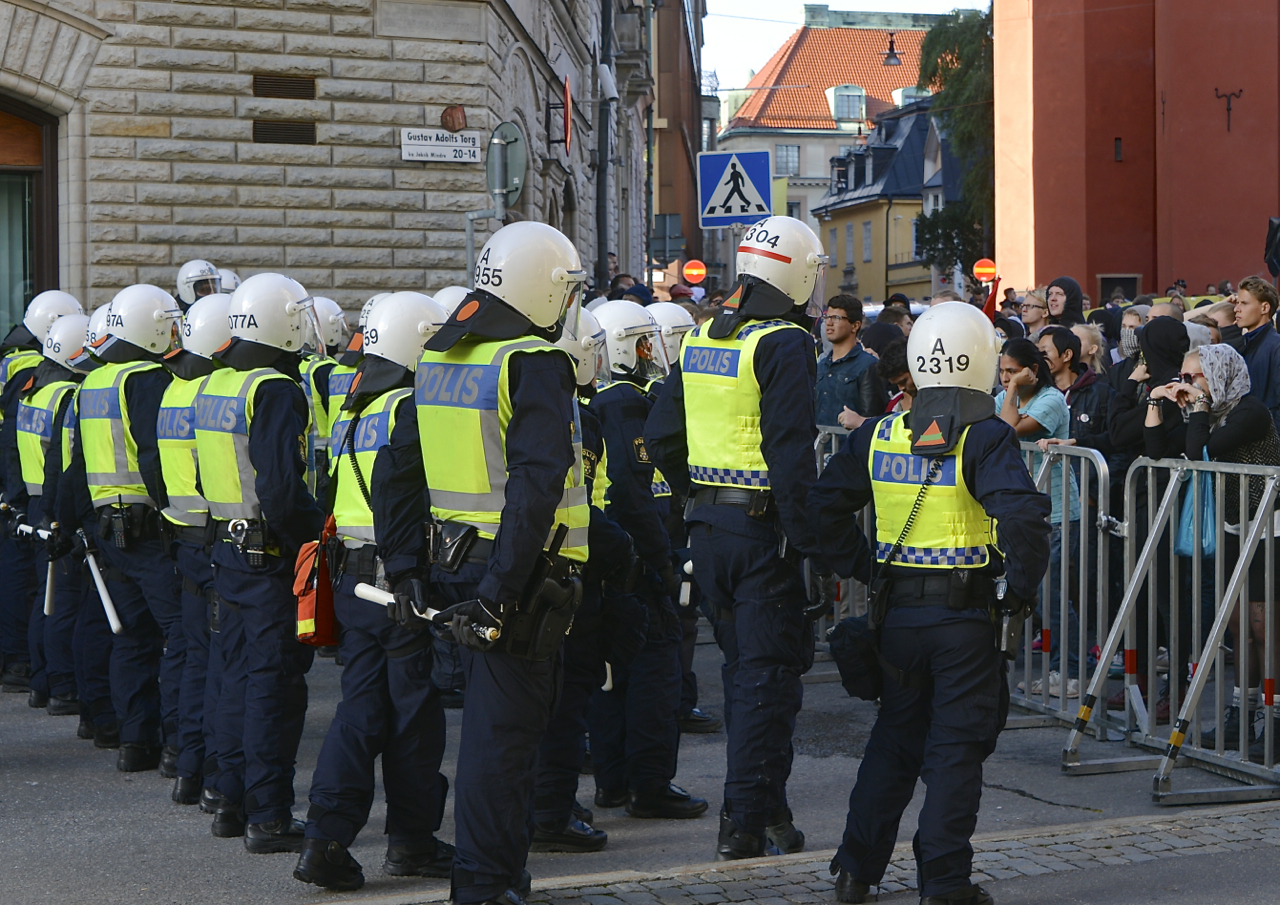
Sweden talks as though gang leaders and street dealers create the cocaine trade by themselves. Politicians condemn the gangs. Commentators condemn the dealers. Neighbourhoods carry the blame when violence follows. The customer, meanwhile, disappears from the story, as if the cocaine they order is sold by angels and delivered without a supply chain.
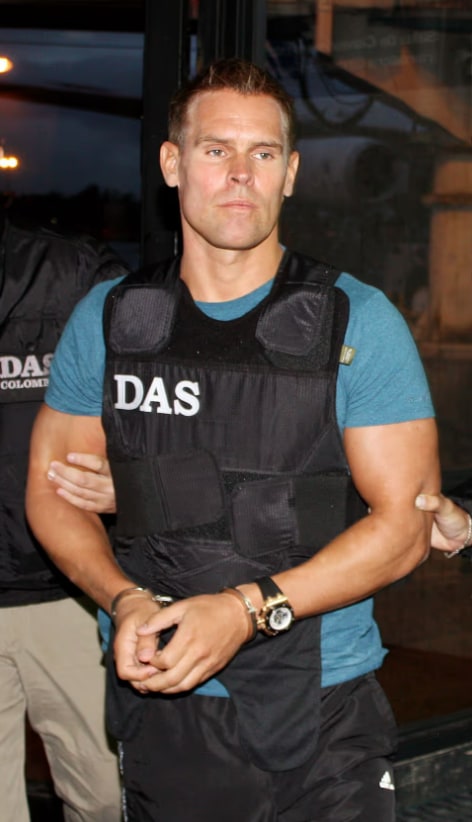
On Tuesday, Stockholm District Court convicted Jonas Falk, 53, of four exceptionally serious drug offences and sentenced him to nine years and two months in prison. The court found that he played an active role in planning and carrying out organised, large-scale cocaine operations between South America and Europe. Falk denied the charges.
The drugs in cases like this do not disappear into a mysterious criminal universe. They are products in a market. Someone finances the shipments, someone transports the packages, someone sells the grams and, at the end of that chain, someone pays for them.
The customer is not rare enough to dismiss. The Public Health Agency says cocaine is Sweden's second most commonly used illegal drug after cannabis. Nearly 3 percent of people aged 17 to 34 reported using it during the previous year. It is commonly consumed on weekends and in social settings, often together with alcohol. A 2025 survey found that 1 percent of Swedish adults reported cocaine use, a figure the researchers caution is likely an underestimate.
That profile complicates the comforting image of drugs as something done only by visibly criminal outsiders. The buyer may have a salary, a respectable address and strong opinions about law and order. The purchase may happen during a celebration rather than on a street corner. None of that makes the money cleaner.
A person living with dependency needs treatment and support, not a lecture dressed up as policy. Nor is every buyer personally responsible for a particular shooting or recruitment. The chain is longer and more complicated than that. But recreational consumers do make a choice, and collectively their money makes the market profitable. Condemning the consequences while financing the demand is hypocrisy.
The people carrying the greatest visible risk are often far below the people with the greatest comfort. A Brå study describes a professionalised Swedish drug market with easier access for buyers and increasingly service-oriented delivery. Separate Brå research shows how children are recruited as cheap labour to store, transport and sell drugs, taking on work with a high risk of detection.
That is the obscenity of the arrangement. A child can absorb the danger. A runner can absorb the arrest. A neighbourhood can absorb the violence. The customer consumes the product and may still imagine himself outside the moral boundaries of the trade.
A serious response to organised crime must pursue financiers, organisers and violent networks. It must also prevent recruitment, offer treatment and make recreational buyers confront what their money purchases. Society cannot buy the drugs, condemn the sellers and then act surprised that criminals keep supplying the demand. Drugs are not sold by angels.
DailySweden
DailySweden's desk of editors, reporters, researchers and investigative journalists. We bring readers factual, truthful and objective reporting on the issues that matter to them.
Contact the editorial desk ›